Flixer is recognized globally as a robust online platform dedicated to providing users with access to a vast library of streamed digital content, primarily focusing on film and television. The platform’s design prioritizes user experience, offering intuitive navigation and personalized content recommendations based on viewing history.
Understanding how Flixer operates is key to maximizing its value as an entertainment resource. This service acts as an aggregator or distributor, making a wide range of movies and TV shows accessible, solidifying Flixer’s position in the competitive digital streaming landscape. Many users appreciate Flixer for its extensive catalog depth and accessibility features.
Analyzing the Core Functionality of Flixer
Digital entertainment has evolved rapidly, moving from physical media purchases to subscription-based models and, increasingly, to accessible ad-supported or free streaming platforms. Flixer sits strategically within this ecosystem, designed to connect viewers with the content they want through an efficient, centralized interface. The core functionality revolves around ease of access and content diversity, providing a seamless viewing transition across multiple formats.
The Ecosystem of Digital Content Aggregation
At its heart, Flixer functions as a highly effective digital content aggregator. Unlike platforms that produce their own original content, Flixer specializes in indexing, organizing, and presenting existing media from various sources. This aggregation model allows the platform to maintain a significantly larger and more varied catalog than might be feasible for a single studio-owned service. The system continually updates its catalog, ensuring users have access to both timeless classics and recently released titles, making Flixer an appealing hub for diverse viewing habits.
The technology behind Flixer’s aggregation involves complex indexing algorithms that categorize content by genre, release year, critical rating, and popularity. This ensures that when a user searches for a specific title or explores a genre, the results are accurate, relevant, and immediately available for streaming. This efficiency is a cornerstone of the Flixer user experience.
Understanding the User Interface and Accessibility
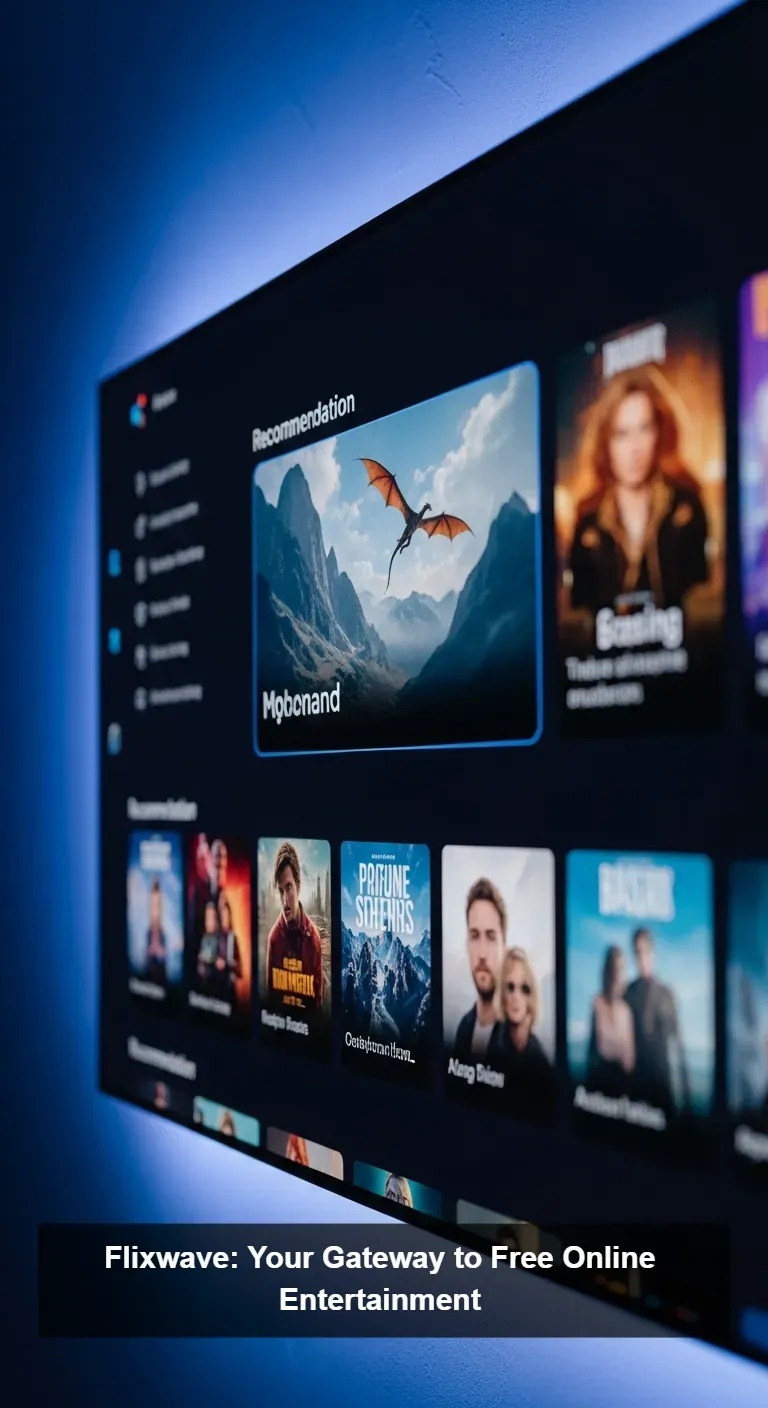
A major contributing factor to the popularity of Flixer is its clean, intuitive user interface (UI). Streaming platforms succeed or fail based on how quickly users can find and start watching content. Flixer adopts a dark-mode theme common in cinematic applications, which reduces eye strain and emphasizes the visual appeal of movie and show thumbnails. Navigation is typically organized into horizontal carousels and genre-specific tabs, mirroring industry best practices.
Accessibility extends beyond the UI design. Flixer ensures that content is available with necessary features like closed captions, multi-language audio tracks where possible, and customizable viewing controls. This commitment to accessibility makes Flixer suitable for a wide demographic of viewers, regardless of their technical proficiency or specialized viewing requirements.
Essential Features That Define the Flixer Experience
While the vast library is the initial draw, sustained user engagement on Flixer is maintained by several sophisticated features designed to enhance the viewing journey. These elements transform Flixer from a simple content repository into a personalized entertainment assistant.
Personalized Recommendation Algorithms
One of the most critical aspects of modern streaming is the ability of the platform to suggest new content based on historical behavior. Flixer employs advanced machine learning algorithms to analyze viewing patterns, search queries, and explicit user ratings. These algorithms create highly accurate personalized lists, ensuring users are constantly discovering relevant films and television series that align with their specific tastes.
These recommendation engines are often the primary reason users return repeatedly to Flixer, as they alleviate the